Advertisement · Educational Content
Why a Nordic Winter Honey Ritual Has Quietly Outlasted Every Modern Memory Trend
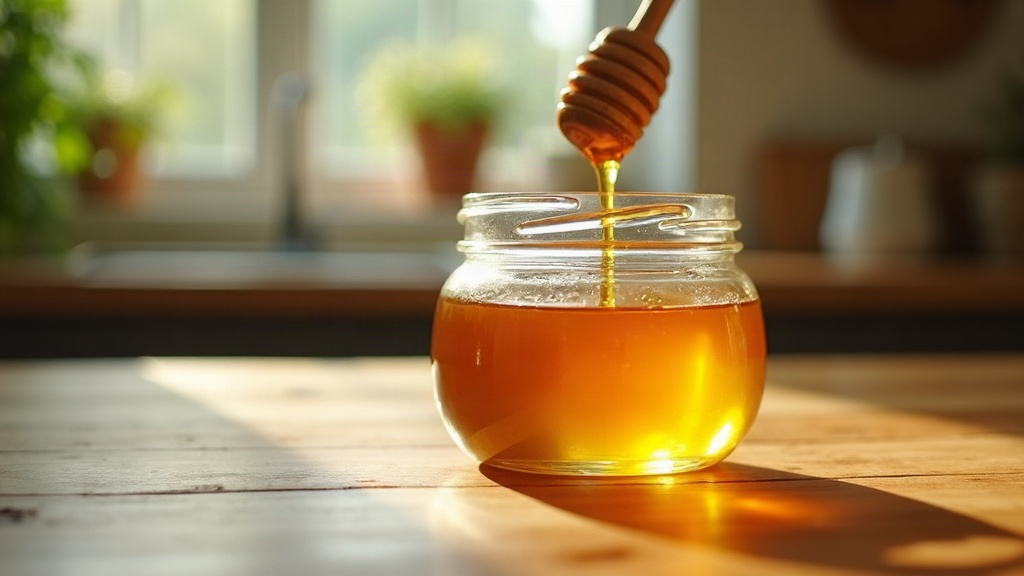
In the coldest months, families across Scandinavia still warm honey into their evening routine — a small habit tied to how they think about aging minds after 50.
Why Memory Shifts After 50
Short, dark winters aren’t the only thing that changes after 50. Here’s what researchers say tends to shift quietly in the background — and why a warm honey habit became part of one region’s evening routine.
Sleep Gets Lighter
Deep sleep stages naturally shorten with age, which can leave the brain with less overnight recovery time.
Less Daylight, Less Structure
Shorter winter days disrupt circadian rhythm, and routine — including small rituals like an evening honey drink — often fills that gap.
Daily Rhythms Loosen
Meal times, wake times, and wind-down habits tend to drift as schedules become less rigid after retirement or life changes.
Old Habits Fade Quietly
Simple traditions — a cup of tea, a walk, a spoon of honey before bed — often disappear first, without anyone noticing.
Myths vs. Facts About Aging and Memory
There’s a lot of noise around memory after 50. Here’s a plain look at three common claims.
Forgetting names means something is seriously wrong.
Occasional word-finding slips are common with age and are not automatically a sign of a serious condition.
Nothing about daily routine matters for how you feel day to day.
Consistent sleep, light exposure, and evening habits are widely studied as part of general wellness routines.
Traditional habits like an evening honey ritual are just folklore with no real reason behind them.
Many long-standing routines were built around consistency and calming pre-sleep habits, not any single ingredient’s power.
The Nordic Evening Routine, Step by Step
This isn’t a program or a protocol. It’s a simple sequence some Nordic households have followed for generations during the darkest months.
Step 1 — Dim the Lights Early
As daylight fades, lights are lowered at home to signal the body that evening has arrived.
Step 2 — A Warm Honey Drink
A small warm drink with honey is prepared, often the same time each night, as part of winding down.
Step 3 — A Fixed Wind-Down Window
The last hour before bed is kept quiet and screen-free, reinforcing a consistent nightly rhythm.
Where This Habit Actually Comes From
Long winters in Scandinavia meant short daylight and long, dark evenings. Households built small rituals to structure the night — a warm drink, dim lighting, a fixed bedtime. Honey, easy to store through winter, became a common addition to evening drinks in many of these homes, passed down more as a comfort habit than a formal remedy.
Insight: the value researchers point to isn’t a single ingredient — it’s the consistency of the whole evening ritual, repeated night after night.
Signs Worth Paying Attention To
Losing Track Mid-Sentence
Frequently forgetting what you were about to say, more than in past years.
Misplacing Items More Often
Keys, glasses, or phones turning up in unusual places more regularly.
Struggling With Familiar Routes
Hesitating on directions you've driven or walked for years.
Repeating Questions
Asking the same question again shortly after getting an answer.
Trouble Following Conversations
Losing the thread of a group conversation more than before.
Evening Fog
Feeling noticeably less sharp in the late afternoon or evening hours.
What People Are Saying

Individual experiences vary. These testimonials reflect personal opinions and are not a guarantee of any specific outcome.
Frequently Asked Questions
No. This is an educational look at a traditional evening routine, not a medical treatment, diagnosis, or cure for any condition.
Honey has historically been a common household staple in Nordic countries, especially through long winters, and was often added to warm evening drinks as part of a comfort ritual.
No. The tradition described here is a small, optional evening habit, not a full lifestyle overhaul.
The routine originated in a cold-climate culture, but the underlying habit — a consistent, calming evening ritual — isn’t climate-specific.
No. This content is educational only and does not replace guidance from a qualified healthcare professional.
General sleep and circadian rhythm research discusses the value of consistent evening habits, though individual results and needs vary.
The full explanation, including how the routine is structured night by night, is covered in the video presentation linked on this page.
See the Full Nordic Winter Routine
Watch the free presentation to see exactly how this evening habit is structured, night by night, and why it’s stayed part of Nordic winters for generations.
Advertising Disclosure: This page contains sponsored content and affiliate links. We may receive compensation if you click a link or make a purchase through this page, at no additional cost to you. This helps support the content on this site.
Content Disclaimer: This content is for educational and informational purposes only and has not been evaluated by the FDA. It is not intended to diagnose, treat, cure, or prevent any disease or health condition. Always consult a qualified healthcare professional before making changes to your health routine or diet.
Results Disclaimer: Individual results and experiences vary. Testimonials and personal stories shared on this page reflect individual opinions and are not a guarantee of any specific outcome for you or anyone else.
© 2026 casaecost.com · All Rights Reserved